null

French Malbec: What It Is, History & French vs. Argentinian Differences

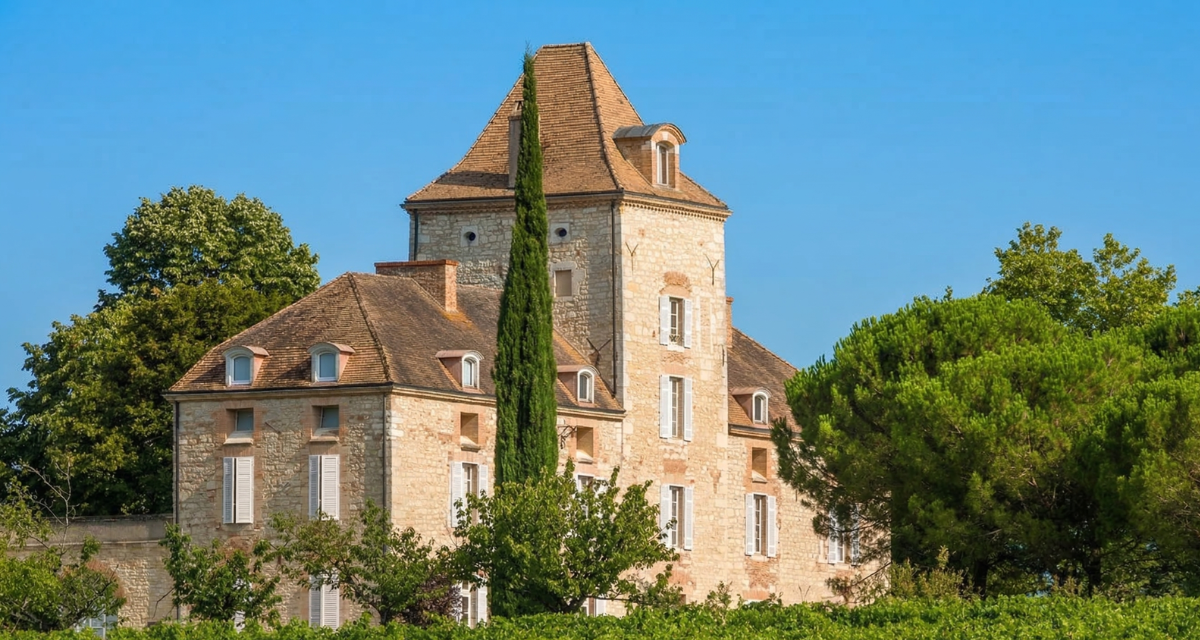
Historic stone house surrounded by greenery under a clear blue sky.

Château de Haute-Serre, photo by the Famillle G. Vigouroux

From albariño's growth in popularity with seafood eaters to Sancerre’s swift sell-out after being briefly featured in Taylor Swift’s tour documentary, it seems like now is the time for underrated (or simply undiscovered) wine varietals to get their flowers. 

After all, as much as we love our cabernet sauvignons, chardonnays and pinot noirs, there’s so much more great wine out there to explore. 

One of them is malbec, a red wine that you may not have tried, but if you have, it was probably from Argentina. The kicker, though? Malbec’s not even from Argentina; it’s from France! 

In celebration of French Malbec week (April 17-24, 2026), keep reading for a brief history of French Malbec, the key features of this Old World varietal and the man reintroducing it to the world. 

Malbec Before Argentina

While you might associate malbec with the Mendoza region in Argentina, malbec actually comes from Cahors, France, a town in the Occitania region of southern France that’s just a few hours away from Bordeaux.  

The Malbec grape is a cross between two other grape varieties: Prunelard, known for powerful, tannic wines, and Magdeleine Noire, which produces fresh, crisp, fruity wines. Malbec got the best features from both its parents: it’s bold and flavorful while staying easy-drinking and refreshing. 

Malbec thrived further inland from the humid Atlantic air in Cahors. However, a devastating frost in 1956 destroyed most of the vines and, at the time, there was more sense in replacing the fickle-growing malbec with more resilient varietals. 

This is when Argentina took the ball and ran with it. You see, French agronomist Michel Pouget had brought grapevine cuttings from France to Argentina in the mid-19th century at the behest of the Argentinian president. Malbec was one of the vines he packed in his suitcase.  

The grape was rediscovered in the late 20th century when the Argentine wine industry shifted its focus to premium wine production. It turns out that Mendozan terroirs suited malbec just fine, and the wine variety exploded in popularity and planting. Now, it’s the #1 grape variety in the nation. 

A Modern Revival

But while malbec found success in Argentina, French Malbec never truly went away...it just hibernated, waiting for a champion to reintroduce it to wine enthusiasts. 

That champion is here, and his name is Bertrand-Gabriel Vigouroux.

Bertrand is the 4th-generation vintner inviting wine drinkers to learn more about Malbec’s French roots. It's largely thanks to Bertrand’s dad, Georges, that French Malbec survived after the grape’s mid-century struggles. Bertrand’s family has been living and breathing malbec for generations, and the wine shows it.  

Keep scrolling for a selection of Maison Vigoroux Malbecs to try, but first – here’s what to expect from a glass of French Malbec and how it compares to Argentinian Malbec. 

What’s in the Glass

If you’re enjoying a heavy dish like steak, BBQ or a burger, Malbec is the perfect red to pair with it. It’s big and bold enough to stand up to these dense flavors while refreshing the palate between bites.  

Malbecs are known for their rich, dark fruit flavors and velvety smooth finish. You’ll get notes of blackberry, blueberry, raspberry, plum, vanilla, cocoa, and maybe a whiff of lilac or tobacco smoke. They’re full-bodied, but medium in acidity, ABV and tannins, making them complex enough to drink on their own but approachable enough to be food friendly. 

Man walking in vineyard, wearing glasses and white shirt, sunny day.

Bertrand-Gabriel Vigouroux, photo by the Famillle G. Vigouroux

What’s the Difference Between Argentinian Malbec and French Malbec?

If you’re familiar with the differences between Old World and New World wines, then you can probably guess how Argentinian and French Malbecs differ. Old World (European) wines are characterized by their delicacy and refinement, while New World wines are characterized by expressive, in-your-face flavors. 

The same is true of the two primary Malbec regions. Argentina’s high altitudes and sunshine impart the wine with jammy, plush, fruit-forward flavors, while French Malbecs tend to be more savory, rustic wines with earthy, herbal notes and firmer tannins. 

Both styles are delicious and worth trying, it’s just about finding your preference! If you’re reaching for a French Pinot Noir over a Napa Valley Cabernet Sauvignon, then chances are that you’ll adore French Malbec. 

Best French Malbecs to Try

French Malbecs offer an outstanding value for the quality of what’s in the bottle. Whether you’re shopping for a special occasion or a Tuesday night dinner pairing, there’s a tasty Malbec calling your name. 

Chateau De Haute-Serre Grand Vin Seigneur Malbec

Chateau De Haute Serre Cahors Icone

Gouleyant Malbec Cahors

Chateau De Haute-Serre Geron Dadine Cahors

Chateau de Haute-Serre Lucter

Domaine De Poujo

As we hinted at in the intro, albariño is another woefully underrated wine varietal. Learn more about this bright white wine from the Iberian Peninsula and why it’s the perfect wine to sip when enjoying fish.